Benvenuti! Welcome! Thank you for your generosity in supporting my work in so many ways: by sharing your cooking experiences here and my stories with others, by becoming paid subscribers, by joining my cooking classes and with your heart-warming praise. I love your company ♡!
Extra creamy with a spoonful of gooey
Have you ever noticed that food that is popular on social media, restaurants franchises or on the shelves of your supermarket is mostly advertised based on its texture?
There are cultural differences too. Italians seem to be fond of food that is “soft” (soffice, morbido), like for example very soft cake.
The French, as well as the Italians, love “velvety” textures referring to something smooth and silky but not necessarily rich, i.e. the Vichyssoise and Vellutata soups. Americans love creamy and rich, Canadians love crunchy and comforting.
Right now, food texture has gained huge traction. According to food producers, the food texture market in the US has exploded and that will surely have global repercussions.
Americans pay more attention than ever to the way food breaks, crunches, melts and pulls, and the word “creamy” now appears on 45% of American menus. (Seattle Times, 2026)
Don’t you find it fascinating how something as normal as the mouthfeel of your food suddenly becomes a new and huge fashion? Have you been wondering if this is just another way to make low quality food more attractive?
It might be trendy, but it really is no news.
The food industry has been using human biological response to food elements for more than 50 years. Already from the 1970s, the texture of mass produced foods has been systematically designed based on parameters such as viscosity, crunchiness or crispiness, melting rate, flavor release, particle size, chewing sound, color and even the sound of crunch.
As a result, consumers have become accustomed to expecting a certain level of sensory intensity as well as becoming less attuned to the natural flavor of food made at home with raw ingredients and no chemicals.
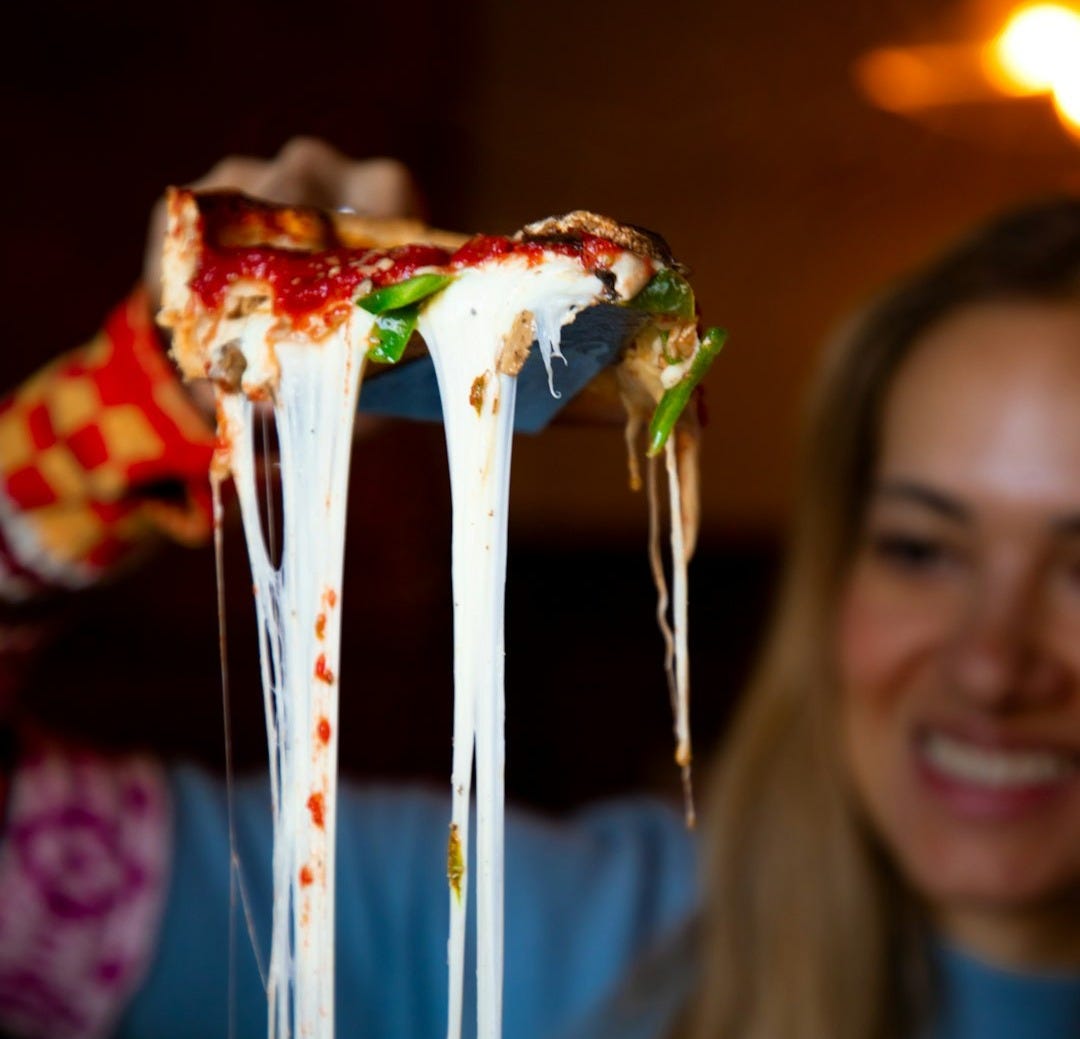
Between you and me, when I see a pizza with all those cheese strands like the one above, I shiver.
Why is texture so important?
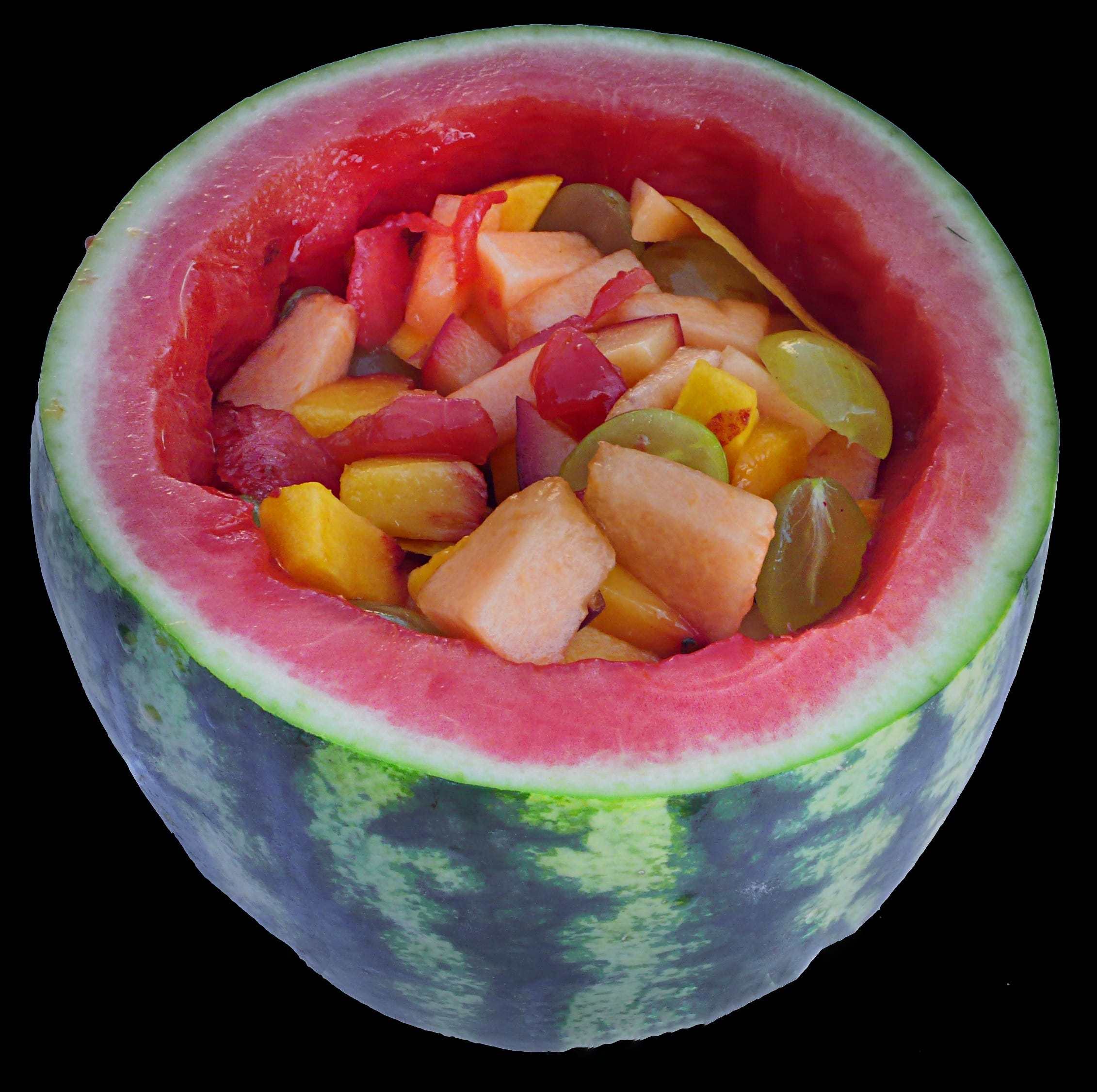
Every time we cook, we create texture. Sometimes it happens almost by accident: a great fruit salad - assembled with the freshest summer fruit and a dash of dessert wine - gives you an extraordinary sensory experience—cool, crisp, juicy, tender, fragrant, and bursting with color.
Fruit salad made inside a watermelon
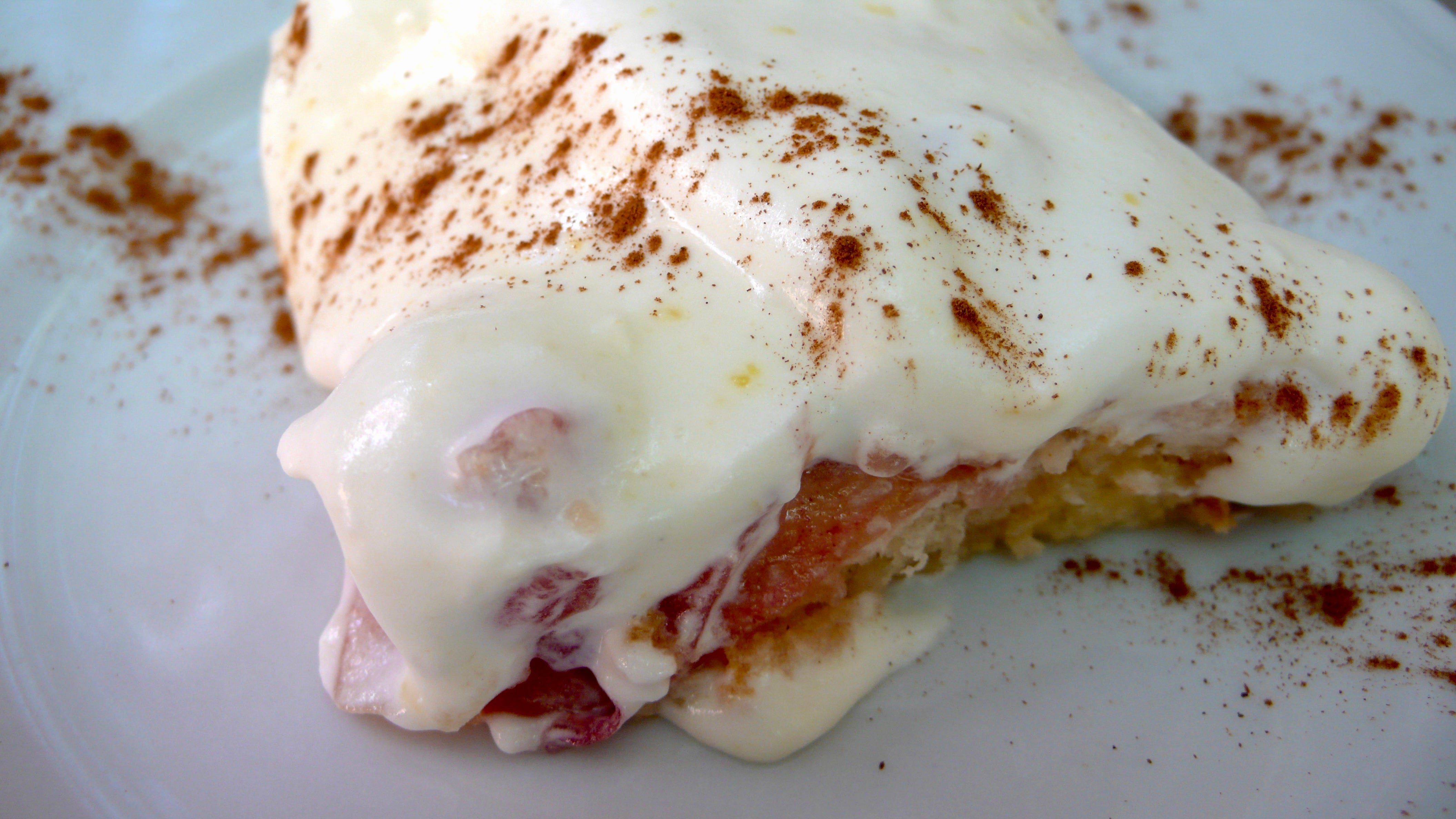
More often, however, texture is the result of deliberate choices: searing or roasting to obtain a crunchy meat crust, sauté and stirring a creamy pasta sauce, pan frying tender chicken cutlets, whipping mascarpone into a silky dessert like the peach tiramisu in the image below.
Texture is far more than a pleasant sensation. Texture often holds as much importance as flavor because it is one of the ways we judge freshness, quality, and culinary skills, and one of the reasons certain dishes remain memorable long after the last bite.
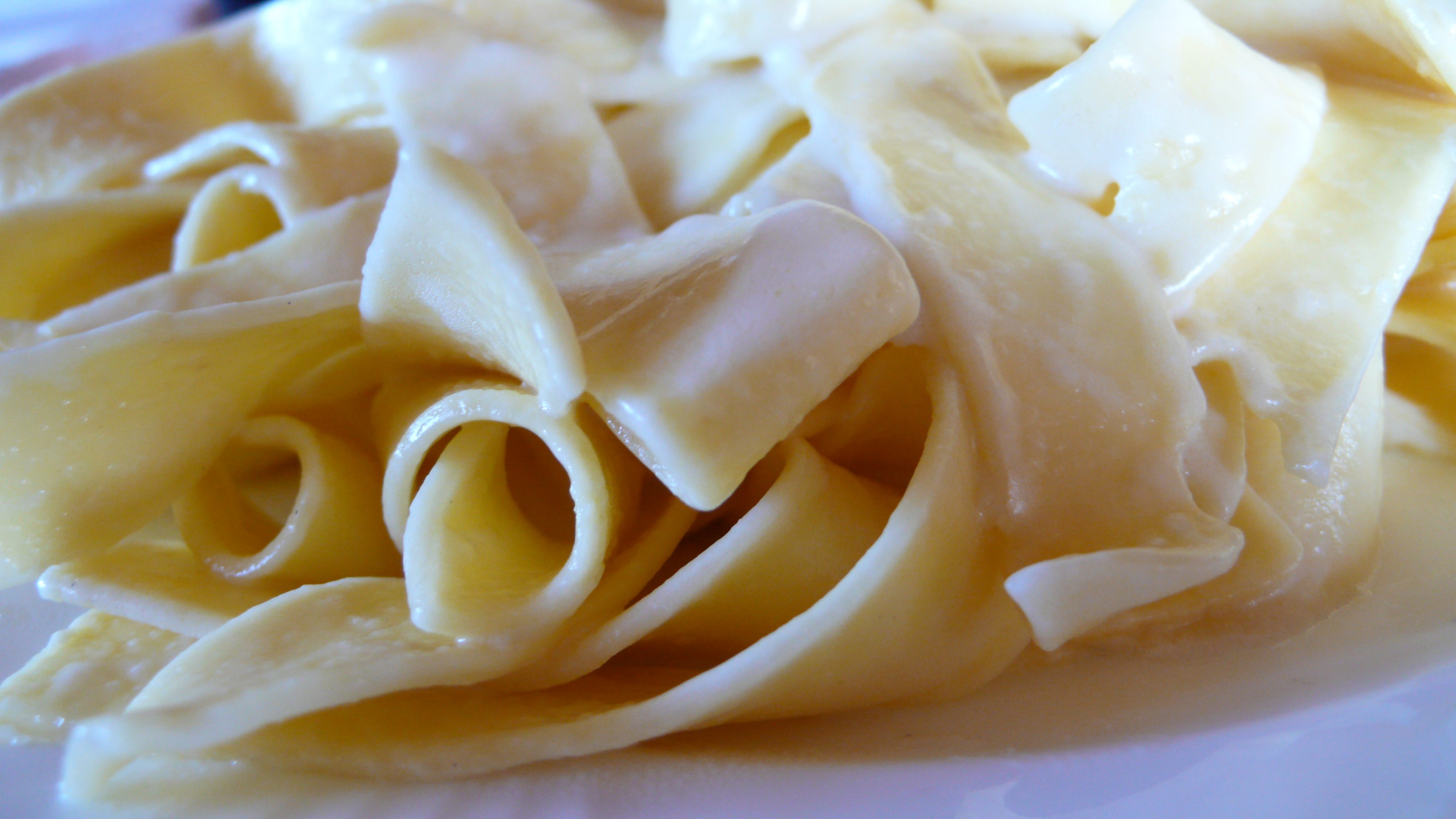
pappardelle with lemon, ricotta and butter sauce (recipe)
The Italian queen of texture
Nowhere is this appreciation for texture more deeply rooted than in our cuisine. Here in Italy, texture is not simply an attribute of a delicious dish; it is a defining element of our culinary identity. Think of the expression “al dente”. No food expresses this philosophy more completely than pasta, the queen of texture.
I have been joyfully making pasta for more than 35 years, using probably more than a ton of flour. The pleasure of making fresh pasta is the main reason why I have chosen to become a cooking teacher.
For me, like for so many Italian cooks, making fresh pasta represents the very essence of cooking. It’s not just a habit, a tradition or a requirement. It’s deeper than that. It is art.
When people comes to my kitchen to learn, even though we will cook a 3/4 courses menu, my hope is that everyone will leave with respect, knowledge and passion for pasta.
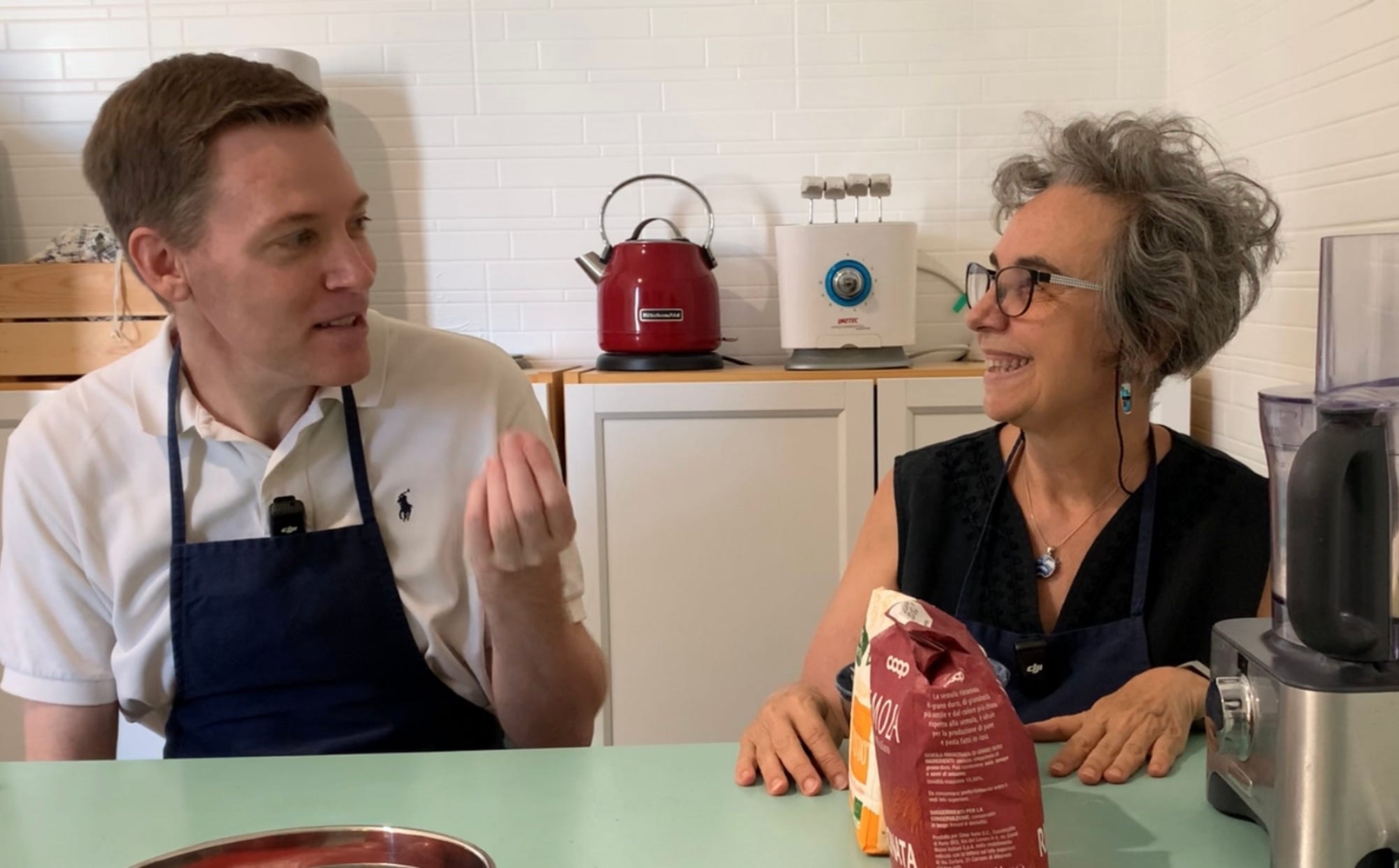
Discussing flour with Youtuber Tom Webster ( full pasta class here with my worst hairdo ever!)
Flour is the first and fundamental factor determining the shape and texture of your pasta. Most fresh pasta is made with the flour of common wheat, also named “tender” as well as with the finely-milled flour of durum wheat which is named semolina.
You can make fresh pasta from many different flours, not only from tender or hard wheat (semolina) flours but also spelt, farro, kamut and various combinations of gluten-free flours like rice, corn, buckwheat and chestnut flours.
Please disregard the marketing claims of certain supermarket products; there is no “pasta flour”. You must decide what type of pasta you want to make and choose the flour accordingly.
The importance of protein
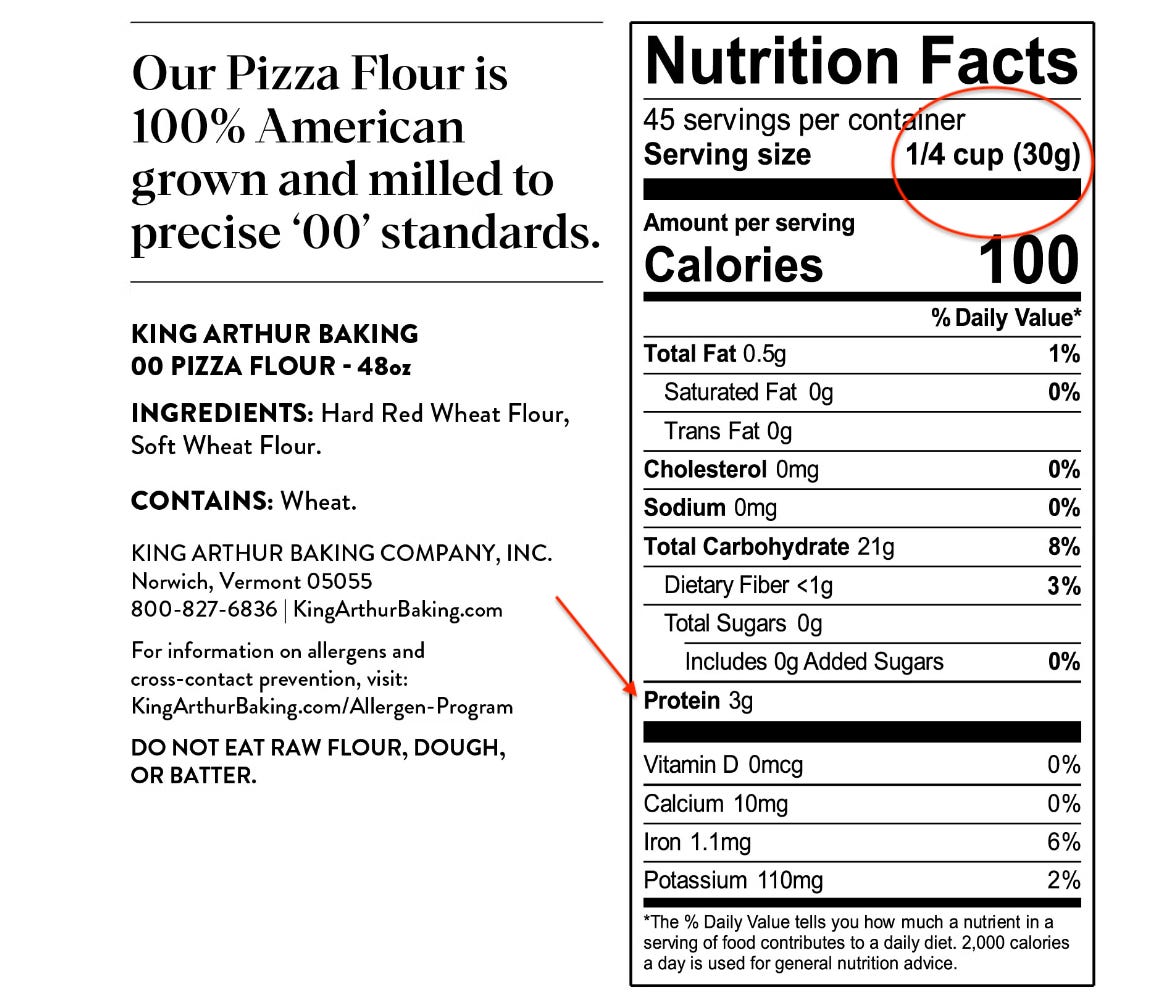
For flours that contain gluten (e.g. common flour and semolina), make sure to calculate the percentage of protein in the flour using the nutritional label.
For fresh pasta you will obtain best results in the range of 10-12% protein.
Calculating protein is simple: find the serving size and the protein content, divide the grams of protein by the serving size in grams, then multiply by 100.
For example, if the nutritional label states there are 3 grams of protein per 30-gram serving, your flour protein content is 10%.
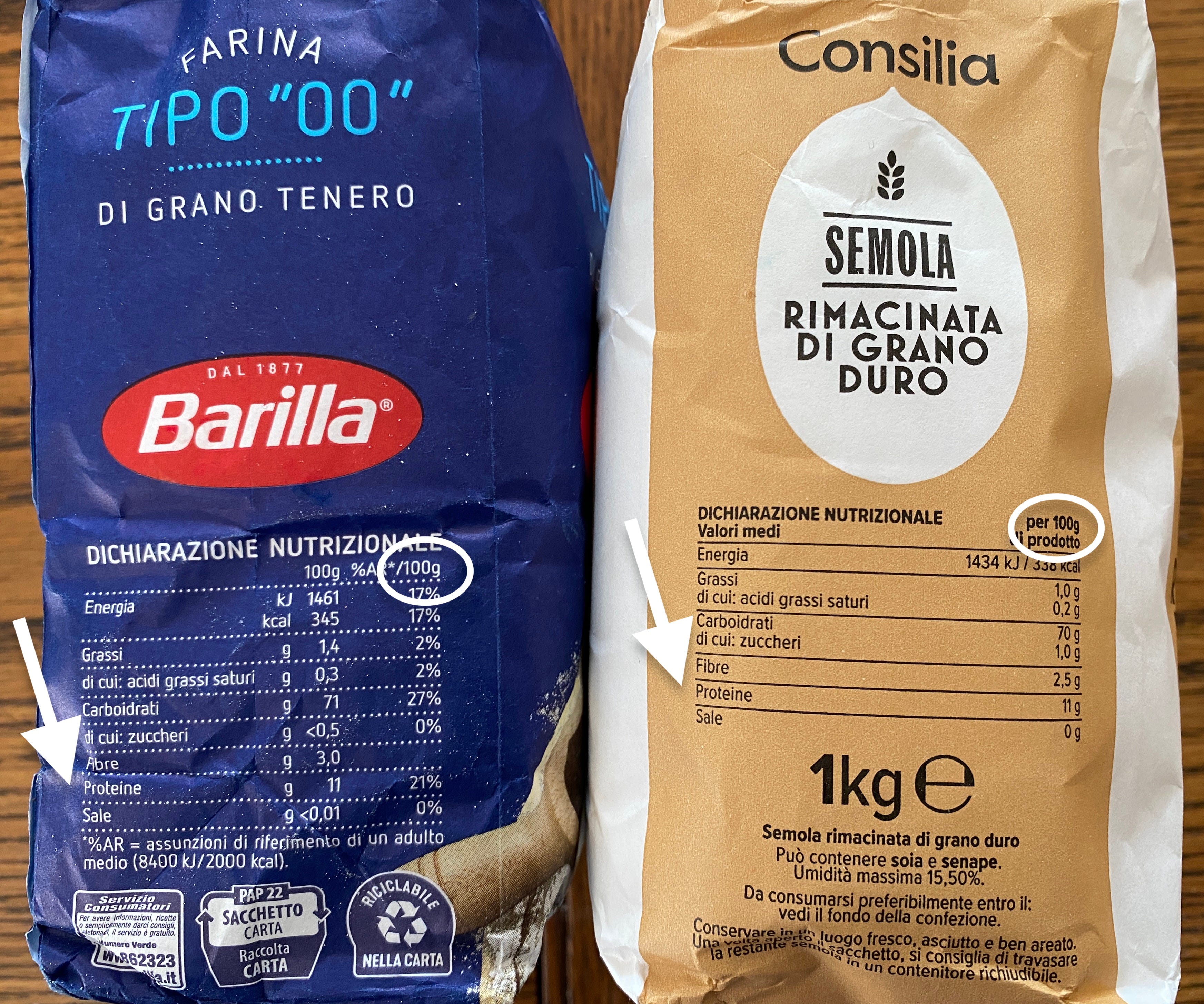
In Europe, the serving size is 100 g so there no need to multiply by 100. Both flours in the image below contain 11% protein.
Why flour changes everything
The texture of pasta is directly derived by the choice of flour, with 00 flour and very fine semolina (Semola rimacinata) being the most widely used, albeit with regional differences.
00 flour is finely ground, tender-wheat flour. Tender (common) wheat develops a highly elastic, and stretchable gluten network. As consequence, 00 flour is ideal for fresh pasta that has thin, silky texture and delicate taste.
Because common/tender wheat grows in temperate climate, 00 flour is traditionally used to make pasta in North and Central Italy and often is enriched with eggs.
Semola rimacinata is finely ground semolina obtained from durum wheat. Durum produces a gluten network that is less elastic and extensible but wonderfully chewy and rustic with a typical nutty taste.
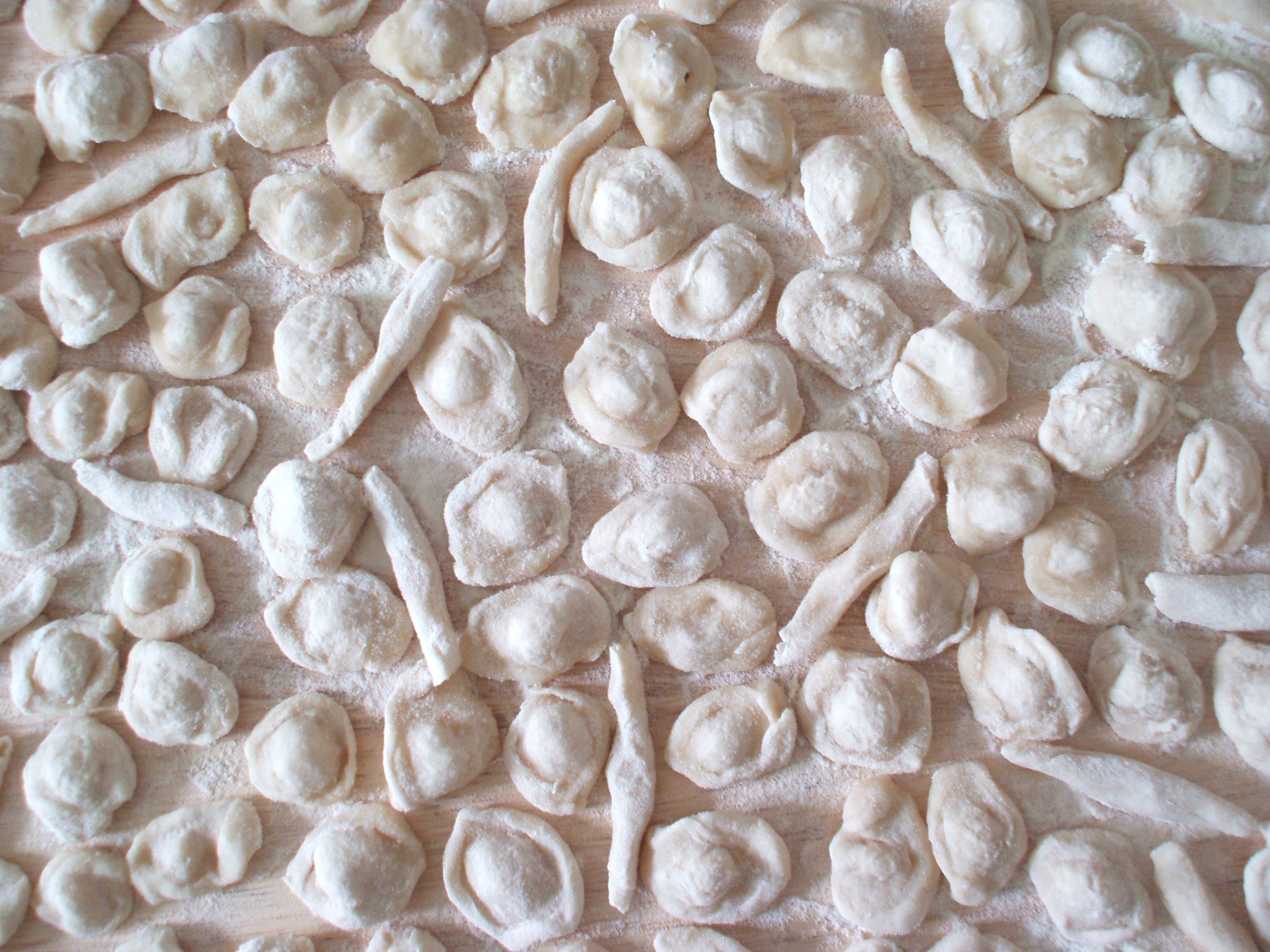
Because durum wheat grows in hot and dry climate, fine semolina is mostly used in the South of Italy. Durum pasta is generally thick and chewy like for example orecchiette, cavatelli, malloreddus and the busiate and often made with water or a small proportion of eggs.
Semolina is also used industrially to make dried pasta like spaghetti, penne and fusilli.
The choice of one or another flour might depend on local traditions but also on the cook’s preference. For example orecchiette don’t really work well if you make them with 00 flour, but fettuccine can be made only with 00 flour (soft and silky) or only with semolina (thick and chewy), or with a mixture of both flours depending on your textural preference.
Tonnarelli, a classic pasta from Lazio is made with a 50/50 mixture of semolina and 00 flour (recipe)
Over centuries, Italian pasta makers have refined every aspect of pasta—from the choice of flour and liquid, to thickness, surface roughness, shaping methods and cooking time—to create distinct sensory experiences
There is so much more to say, so I will return to this topic in another post, but thank you for reading so far!
What to eat this month
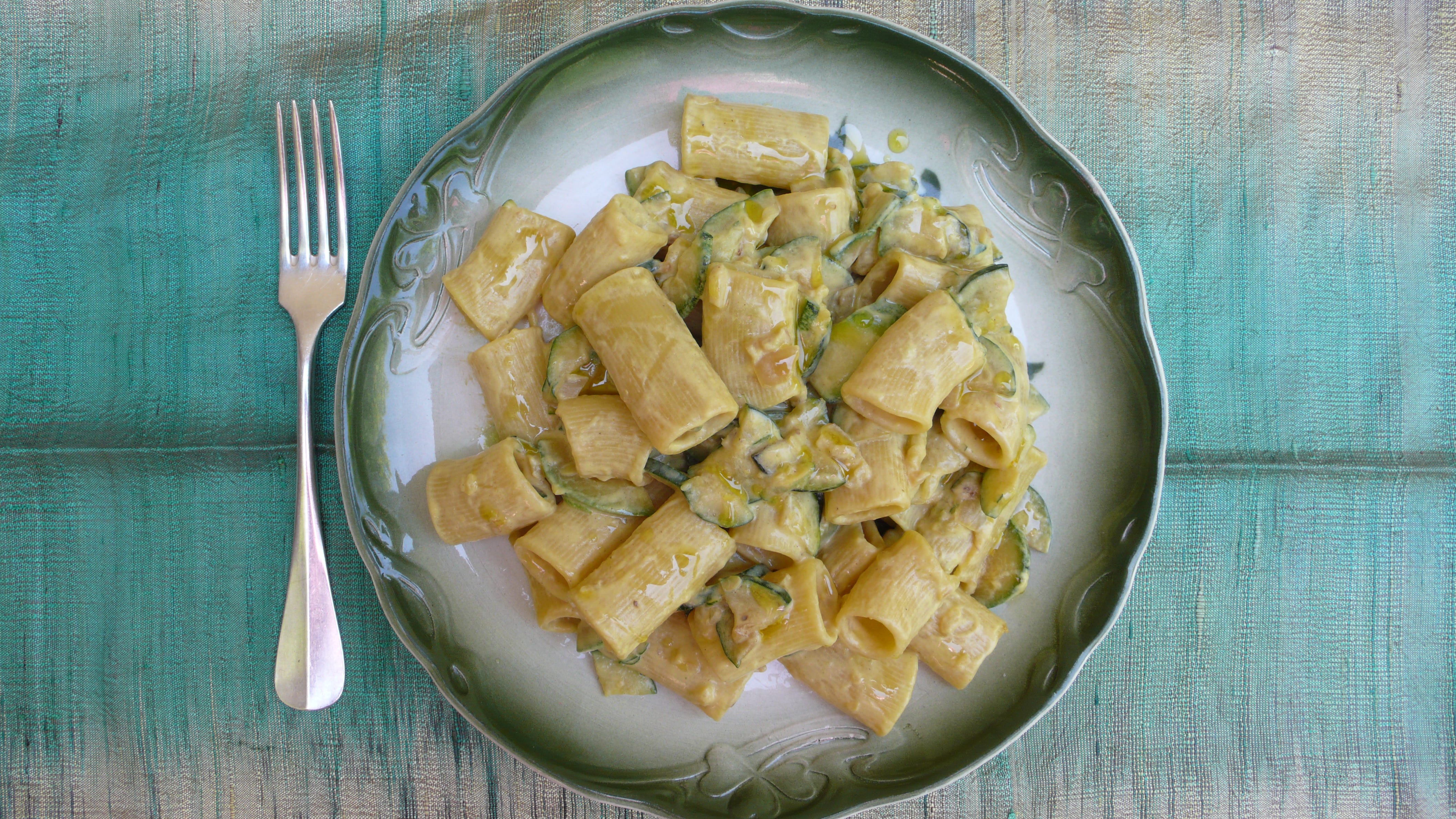
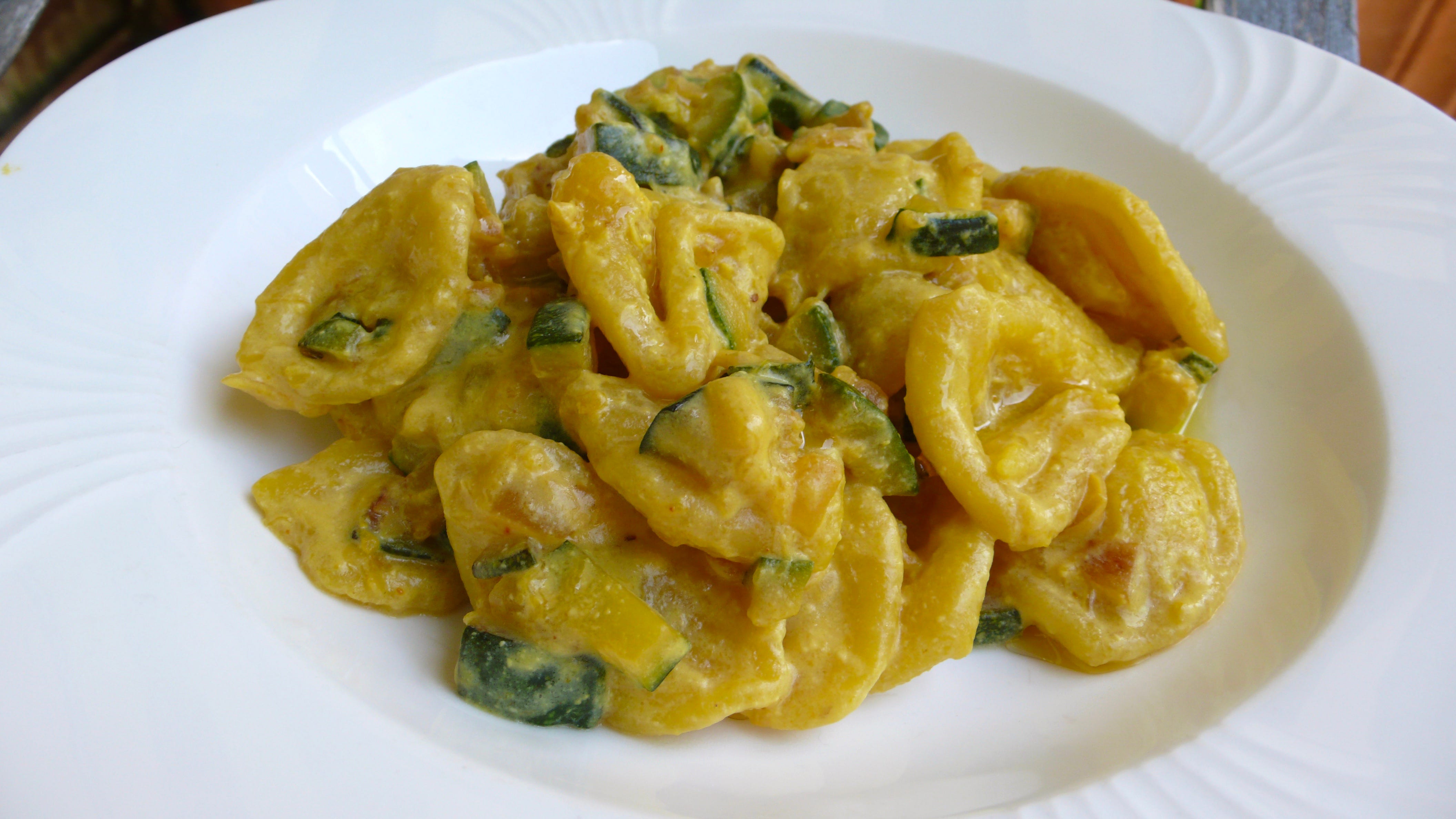
Obviously I must leave you with a recipe that - besides being perfect for the season, it’s also an exercise in texture. The sauce is made with lightly fried zucchini which are tender and juicy right now. Once the pasta is cooked, toss it quickly with the zucchini, some ricotta and grated cheese a little saffron for color and depth. This lightly creamy zucchini pasta is great with chewy pasta like the rigatoni in the first photo above as well as with fresh orecchiette or cavatelli.





I really loved reading this!
I’m always laughing at the videos of Italian cakes where the baker is compelled to squish the cake before your eyes. Soffice soffice!